How physical activity reduces anxiety levels
How physical activity reduces anxiety levelsThe modern lifestyle is accompanied by chronic stress, high levels of anxiety, and emotional tension. More and more scientific research in neurobiology and psychiatry confirms that regular physical activity is not just a “healthy habit” but a powerful natural tool for tuning the psyche. In modern medicine, physical activity is considered a full-fledged treatment method, which in terms of effectiveness can be compared to medication for mild forms of anxiety.
How anxiety manifests itself in the body
Clinical anxiety is not only restless thoughts, but also a chain of physical reactions. The main mechanism here is the excessive activity of the stress response system (the so-called “stress axis”). With constant anxiety, the body is in a state of perpetual readiness for danger, causing cells to stop responding properly to the hormones that are supposed to calm the system.
In the long term, this leads to serious changes:
- Sleep disturbances: high levels of the stress hormone (cortisol) in the evening block the production of the sleep hormone, making rest superficial.
- Memory and thinking problems: excess stress hormones have a negative effect on the hippocampus, the part of the brain responsible for learning and managing emotions.
- Internal organ malfunctions: an imbalance in the nervous system leads to rapid heartbeat, muscle tension, and shortness of breath.
- Internal inflammation: Constant anxiety increases the level of certain substances in the blood that cause the immune system to work overtime.
Why exercise helps the brain calm down
The effect of physical activity is not simply explained by the fact that we are “distracted.” Real restorative processes take place in the central nervous system.
Brain renewal and growth factor (BDNF)
One of the most important effects of exercise is the production of the protein BDNF. It can be called “fertilizer” for the brain. It helps brain cells survive and stimulates the growth of new neurons. The more of this protein there is, the better the brain copes with anxiety and depression.
Tuning internal “sedatives”
Movement affects the same areas that anti-anxiety drugs affect. During exercise, the following occurs:
- GABA production: this is the main “brake” of the nervous system, which dampens excessive excitement and calms the brain.
- Balance of “happiness hormones”: serotonin and norepinephrine levels return to normal, making your mood more stable.
- Internal bliss system: studies show that the joy you feel after exercise is linked to special substances called endocannabinoids. These are natural internal compounds that give you a sense of calm and security.
Taming the fear center
Anxiety often arises from the hyperactivity of the amygdala, the “alarm center” in the brain. Regular exercise trains the frontal lobes (the rational part of the brain) to better control this center and turn off false alarms in time.
Choosing the most suitable type of activity
Different types of exercise have different effects on our state of mind.
Aerobic exercise (walking, running, swimming)
Rhythmic exercises help us enter a state of “flow” when our thoughts quiet down. Swimming additionally activates the vagus nerve—the main “cable” of calmness in the body, which instantly slows down the pulse and relaxes.
Yoga, Pilates, and mindful movement
Deep breathing plays a key role here. When we breathe with our stomach and move slowly, the brain receives a direct signal from the body: “We are safe, we can relax.” This breaks the vicious circle where anxious thoughts cause tension in the body, and tension causes a new wave of fear.
Strength training
Working with dumbbells or exercise machines gives you a sense of control over your body. From a psychological point of view, when a person copes with heavy weights, they subconsciously accustom themselves to the thought: “I can cope with life’s difficulties.” This reduces the fear of uncertainty.
Interval training
Short bursts of intense exercise teach us not to be afraid of anxiety symptoms (such as a racing heart or shortness of breath). A person gets used to these sensations and stops being afraid of them in everyday life, which protects against panic attacks.
Recommendations for exercise for mental health
The positive effect accumulates gradually. The main recommendations from scientists are as follows:
- Minimum threshold: 150 minutes of moderate activity per week (for example, 30 minutes of brisk walking on weekdays). This is the basis for normal brain function.
- Best option: 3-5 sessions per week for 45-60 minutes. More is not always better: overly strenuous workouts can increase stress.
- Moderation: the load should be noticeable but not excessive. If you feel pleasantly tired after a workout, rather than completely exhausted, you have chosen the right pace.
Physical activity is a natural regulator that returns the brain to its normal mode of operation. Movement does not simply mask anxiety; it heals the “breakdowns” caused by stress and restores chemical balance. By making sports a part of your life, you create a reliable shield against emotional overload.
FAQ: Answers to frequently asked questions
Can exercise replace anxiety medication?
For mild anxiety, exercise can be as effective as pills. But for more serious conditions, exercise is a powerful supplement that helps medication work better. The decision on treatment should always be made by a doctor.
How quickly will I feel the results?
You will feel calm within 20 minutes after training, and the effect will last for several hours. In order for the brain to truly rebuild itself and become more resistant to stress, you need to exercise regularly for about 2-3 months.
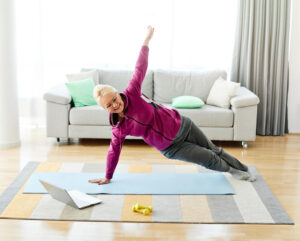
Will exercising at home help if I’m embarrassed to go to the gym?
Yes. It is important for the brain that the muscles work and the blood is saturated with oxygen. At home, you are safe and there is no extra stress from other people’s glances, which is even more beneficial at first.
What should I do if I have no energy at all due to stress?
When you have no energy at all, use the “small steps” rule. Start with 5-10 minutes of simple walking or light warm-up exercises. Even such short movements stimulate the brain’s reward system, and over time you will have more energy.
About The Author