Healthy Snacks on the Go That Won’t Ruin Your Figure
It’s 4:00 p.m., you’ve already had three conference calls, and dinner is still a long way off. Your stomach is growling unpleasantly, the letters on the screen are starting to blur, and your hand reaches on its own for the cookie jar in the office kitchen. Sound familiar?
When your day is scheduled down to the minute, food becomes quick fuel. The problem is that a sweet roll or a chocolate bar gives you a burst of energy that lasts exactly half an hour. Your blood sugar skyrockets, your pancreas releases a massive dose of insulin, and forty minutes later you’re hungry again—but now you’re also angry at the whole world.
During consultations, dietitians often hear the same question: what should you eat at the office if you don’t have time to heat up a meal? Experts at the Harvard School of Public Health and the authors of the USDA’s MyPlate guidelines have long provided a simple answer. A healthy snack doesn’t require culinary feats. All you need to do is combine two elements: a little protein and some roughage.
Do You Really Need Snacks?
There are far too many myths surrounding frequent, small meals. Some trainers insist on eating strictly every three hours to supposedly boost your metabolism. Others scare people by claiming that any crumb eaten between breakfast and lunch instantly turns into love handles.
Both camps are wrong.
The established law of physiology is simple: the frequency of meals has no effect on your basal metabolic rate. If you’ve had a hearty breakfast and can comfortably make it to lunch without your stomach growling, you don’t need a snack. Eating on a strict schedule is pointless.
But observational studies of human behavior reveal an interesting pattern. Those who heroically endure hunger from morning until late evening end up devouring a double portion at dinner and reaching for the fattiest food on the table. A midday snack acts as a safety net against evening overeating (but only if you’re eating because you’re genuinely hungry, not out of boredom during a dull meeting).
How to Put Together a Filling Snack in Two Minutes
For food to keep you full for two or three hours, it needs to leave your stomach slowly. Fast carbs race through the digestive tract at express speed. Proteins, healthy fats, and dietary fiber slow down this process and release energy gradually, without sugar spikes.
A Snack Pack for Your Desk Drawer
You don’t have to lug around heavy glass containers. A drawer in your desk is the perfect place to keep a supply for emergencies: a handful of unsalted almonds or pumpkin seeds paired with a regular apple, a couple of whole-grain crackers with a single-serving jar of hummus, a bag of air-popped popcorn without cheese sprinkles or sugar glaze, or crispy dried chickpeas.
There’s just one catch with nuts: they’re incredibly high in calories. If you set an open half-kilogram bag of hazelnuts in front of you and get carried away with your report, you could easily eat your entire daily calorie allowance without even noticing. Pour one handful into a small cup in advance, and put the bag away out of sight.
If there’s a fridge or a cooler bag in the office
Access to cold storage opens up much more filling options. Try tossing a handful of thawed berries into plain, unsweetened Greek yogurt. Another foolproof option (often recommended by the authors of the MedlinePlus medical guide) is two hard-boiled eggs served with fresh cucumber, bell pepper, or cherry tomatoes.
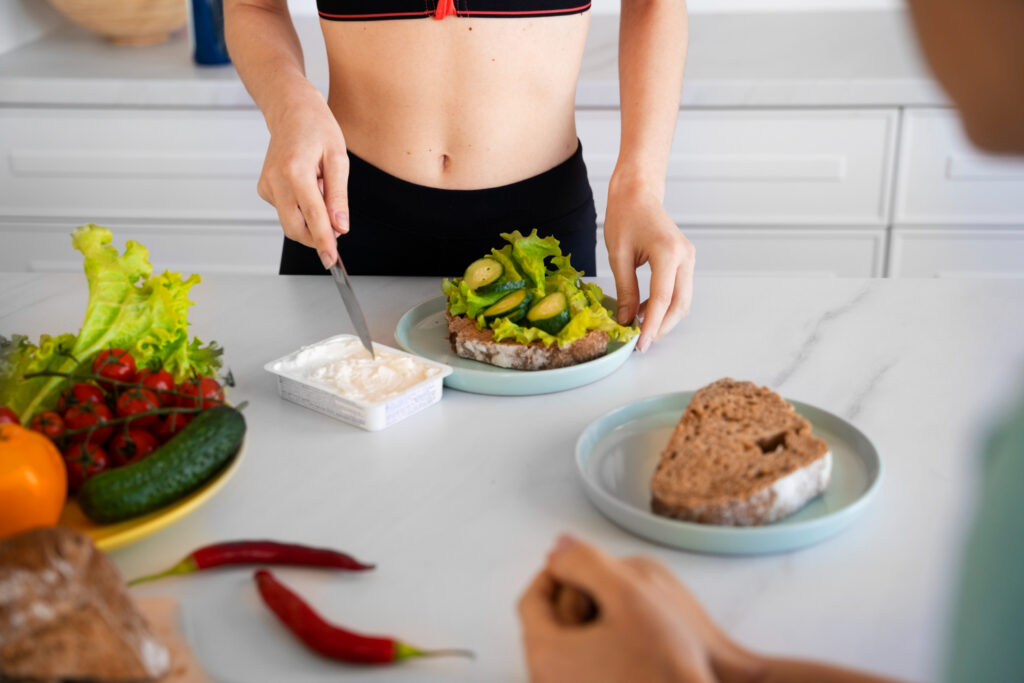
Cottage cheese or a slice of hard cheese on coarse rye bread with a piece of avocado works wonders. You can whip up a meal like this in the kitchen in three minutes while the kettle is boiling.
Supermarket pitfalls and pseudo-healthy bars
If you’re running on empty at home, you’ll dash into the nearest store. Brightly colored packages stare back at you from the shelves, promising a fitness boost, pure energy, and no sugar.
Don’t believe the fancy words on the front. Flip the package over and read the fine print on the back.
Most cereal bars, crunchy granola, and drinkable yogurts with fillers contain just as much sugar as regular candy. Manufacturers simply hide white sugar behind trendy names like Jerusalem artichoke syrup, fructose, or molasses. For your pancreas, this is just as much of a shock dose of fast carbs.
Look for three things in the ingredients list. Whole grains, nuts, or milk protein must be listed first—not sweet syrup. In cheese snacks and crackers, check the salt content; otherwise, you’ll wake up with swelling in the morning. And always check the weight of a single serving: sometimes a tiny bar on the label is divided into two servings so the calorie count doesn’t scare off the buyer.
How to Tell the Difference Between Physical Hunger and Mental Fatigue
Sometimes you find yourself reaching for food an hour after a hearty lunch. At that moment, your body doesn’t need calories. Your brain is simply exhausted from a complex spreadsheet, monotonous email exchanges, or an unpleasant phone call and is craving a quick dose of pleasure.
Doctors have long noted that a simple apple test can help you overcome this false hunger. Ask yourself honestly: Are you ready right now to eat a regular green apple or a piece of boiled chicken with gusto? If the thought of simple food bores you, and all you want is a chocolate bar or a croissant, that’s not hunger.
At a moment like this, it’s better to drink a glass of cool water, get up from the table, walk down the hallway, or simply spend five minutes looking out the window at the trees. Ordinary thirst often masquerades as mild hunger.
A snack shouldn’t turn into endless munching in front of the screen when you don’t even taste the food. If you skip a proper lunch every day, no amount of nuts or yogurt will save your diet from becoming unbalanced. It’s easier to spend twenty minutes in the evening packing a normal portion of meat, buckwheat, and vegetables into a container than to get by all day on random snacks.
Answers to Frequently Asked Questions
Is it okay to snack every day without gaining weight?
Yes, if the snack fits within your total daily calorie intake and consists of healthy foods with protein and fiber. Weight gain isn’t caused by snacking itself, but by a regular surplus of food over the course of the day.
What’s the best thing to eat in the evening if you’re going to the gym after work?
An hour before your workout, go for something light that won’t sit heavy in your stomach. For example, a banana with a spoonful of plain yogurt or whole-grain toast with a slice of baked turkey.
Is it true that fruit snacks prevent weight loss?
No. Fresh apples, pears, berries, and tangerines are high in water and fiber, so they provide a sense of fullness while being low in calories. Problems only arise when people eat handfuls of sweet dried fruit or drink packaged juices.
What can you substitute for your usual cookies with office tea?
Bring a small jar of unsalted nuts, dark chocolate with a cocoa content of at least 70 percent, or fresh berries to work. After a couple of weeks, your taste buds will get used to not having the cloying sweetness of sweet pastries.
Do you need to count the calories of every snack in an app?
Constantly counting calories isn’t necessary for everyone and often causes unnecessary anxiety. It’s enough to measure out portions of high-calorie foods like nuts and cheese in advance, and eat vegetables and unsweetened fruits based on how full you feel.
About The Author