Cosmetic Surgery in 2026 and the Trend Toward Subtlety
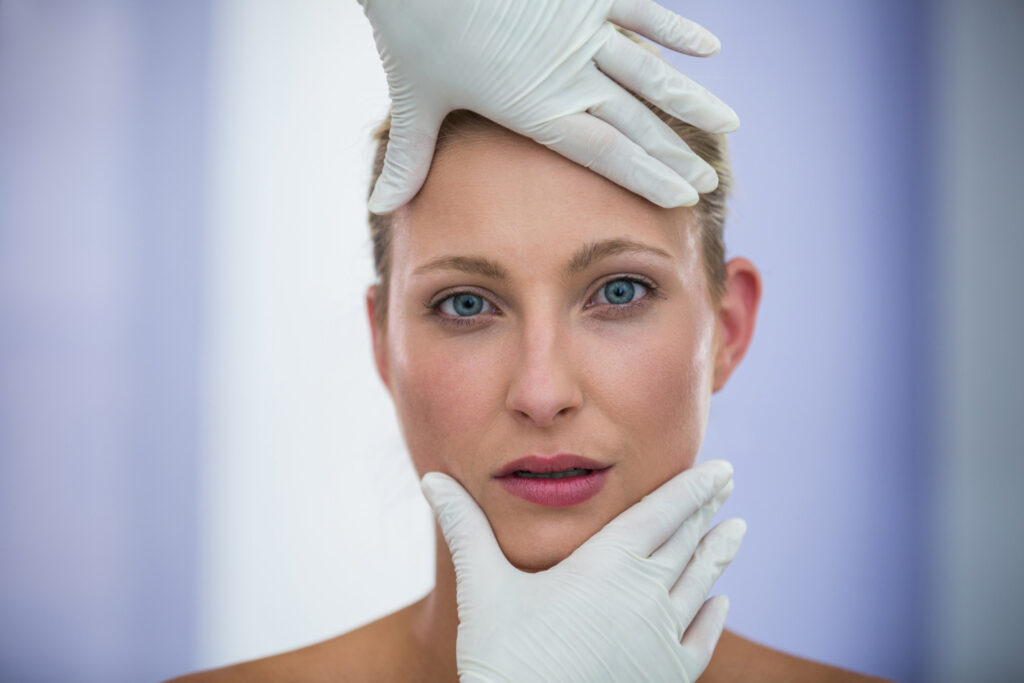
The requests of plastic surgery patients are changing noticeably. Just ten years ago, people often brought photos of celebrities to their consultations and asked to have the same nose or cheekbones. In 2026, the main priority is preserving one’s own individuality. People want to look rested and refreshed, while still remaining recognizable to their loved ones and to themselves.
The American Society of Plastic Surgeons confirms this shift in its annual report. Doctors note a steady interest in subtle corrections, skin rejuvenation, and body contouring. However, statistics from a single country do not reflect the habits of people worldwide. The choice of a specific procedure always depends on a person’s age, the condition of their tissues, and medical indications.
Moving Away from a Stereotypical Appearance in Favor of Anatomy
In the past, many facelifts simply involved tightening the skin. This technique smoothed out wrinkles but often distorted the shape of the eyes and robbed the face of its natural expressiveness.
In-Depth Work on the Facial Framework
Surgeons are increasingly repositioning the deep muscular and aponeurotic layers, returning soft tissues to their original positions, while carefully excising excess skin without tension. The face retains its natural features, but the tired expression disappears. However, no doctor can guarantee that the procedure will be completely undetectable, as the rate of tissue healing and scar formation depend on the patient’s genetics.
Moderation in breast augmentation
In breast augmentation, women are also less likely to request extreme sizes. The focus is on achieving a balance with the width of the rib cage and the density of the patient’s own tissues. If there is sufficient natural tissue, surgeons may recommend a lift without implants or a minor correction using the patient’s own fat tissue. This approach reduces the strain on the spine and lowers the risk of repeat surgeries ten years down the line.
Hard Medical Facts and Statistical Data
In aesthetic medicine, it is important to distinguish between the laws of anatomy and proven risks on the one hand, and market trends on the other.
Proven medical facts:
- Any surgical procedure leaves scars, even if the surgeon hides them in natural skin folds or behind the ear.
- The injection of hyaluronic acid-based fillers carries the risk of accidentally blocking a blood vessel, which, without emergency care, can lead to skin necrosis or vision loss.
- Plastic surgery changes the body’s contours at a specific moment but does not halt the natural aging of cells or the effects of gravity.
Observational Data and Statistics
Reports from the American Society of Plastic Surgeons for 2025 document a sharp increase in surgeries to remove excess skin. The number of arm and neck lifts rose by twenty-one percent, and thigh lifts by twenty percent. Researchers attribute this surge to the widespread use of modern weight-loss medications. When a person rapidly loses thirty kilograms, the skin does not have time to contract to match the lost volume. However, these statistics describe the situation in the U.S. market and do not imply that every person who loses weight requires surgical intervention.
Regenerative Aesthetics and Caution with Fillers
Patients have become more cautious about volumizing injections. An excess of dense gel in the cheekbones and lips attracts water, making the face look puffy, and over time, it shifts downward due to gravity. Instead of masking age-related changes with fillers, doctors are increasingly relying on the density and elasticity of the skin itself.
To achieve this, they use the patient’s own purified fat, blood plasma-based products, and injectable collagen stimulators. These methods help the tissues regenerate gradually.
But the word “regenerative” in clinic brochures does not guarantee miracles. The evidence base for such procedures is highly inconsistent. Transplanted fat takes only partially, and the body’s response to collagen stimulants depends on age, hormone levels, and smoking. It is not the flashy name of the technique that matters, but the results of independent clinical trials of a specific product.
Questions to Ask the Clinic Before Surgery
The trend toward a natural look does not diminish the seriousness of surgical intervention. Patient safety depends on the surgeon’s training and the operating room’s equipment.
Before signing the contract, ask the surgeon five direct questions:
- What specific anatomical issue will this surgery address, and what non-surgical alternatives are available?
- Where exactly will the postoperative scars be located, and how long will the recovery period last?
- What are the most common complications associated with this procedure, and how does the clinic handle them if they occur?
- Will follow-up corrections or implant replacements be needed in the future?
- Does the clinic have a license to administer anesthesia and its own intensive care unit?
If the doctor promises a 100% guaranteed result with no bruising, hides potential risks, or pressures you to pay because a promotion is about to expire, it’s best to decline the procedure. Declining the procedure in the absence of clear medical indications is often the most sensible decision.
FAQ: Answers to Frequently Asked Questions
Is it possible to have a facelift so that no one will suspect you’ve had surgery?
A skillfully performed procedure makes your appearance look fresher, but those around you may notice changes due to temporary swelling or a new neck contour. It is impossible to guarantee complete invisibility in advance.
Which is safer for rejuvenation: surgery or injections?
These methods have different goals and different risks. Injections do not require anesthesia or a long hospital stay, but if performed improperly, they can cause serious vascular complications.
Is it necessary to remove excess skin after significant weight loss?
No. Surgery is performed only when skin folds cause physical discomfort, skin irritation, or significantly interfere with a person’s daily life. Before surgery, weight must remain stable for at least six months.
Is it true that your own fat takes root permanently after lipofilling?
Some of the transplanted fat cells do indeed remain in the new area for many years, but 30 to 50 percent of the volume is reabsorbed within the first few months. Sometimes a repeat procedure is needed to achieve the desired result.
Do before-and-after photos help you choose a good doctor?
Photos demonstrate the surgeon’s aesthetic taste but do not reflect their complication rates. It is much more important to verify the specialist’s current certification and their experience performing the specific procedure you are planning.
About The Author