First trip to the gym: a step-by-step guide for teenagers
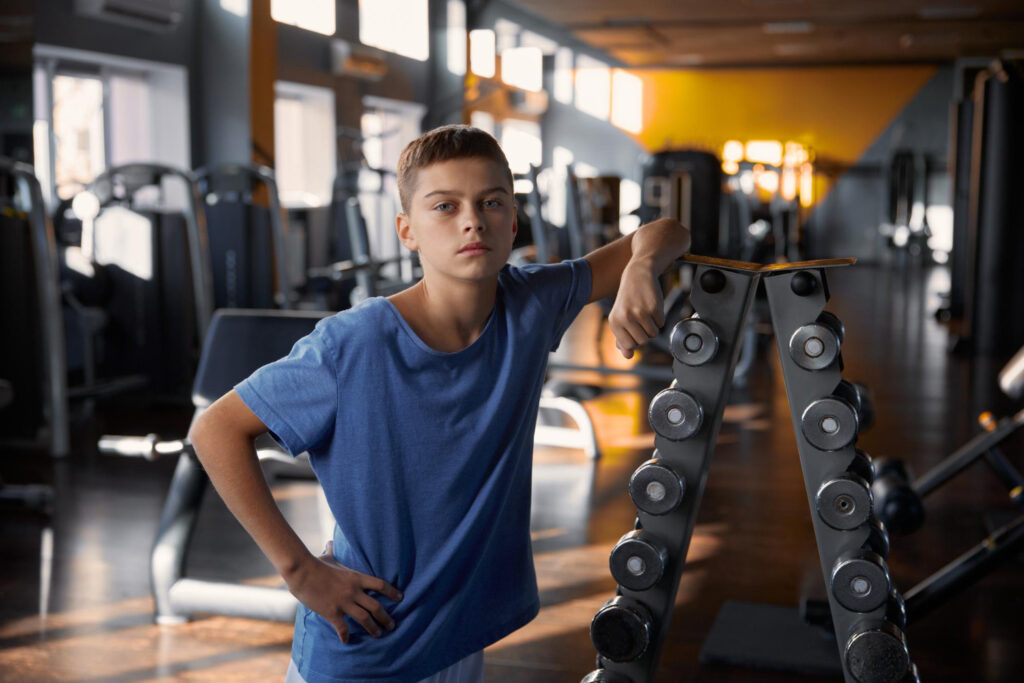
For many teenagers, their first visit to the gym is accompanied not only by excitement but also by anxiety. Some are afraid of looking inexperienced, whilst others want to see noticeable results quickly and copy complex training programmes from social media. It is at this point that beginners often make dangerous mistakes. These mistakes lead to injuries, severe exhaustion and rapid disillusionment with sport.
Modern sports medicine and international guidelines on physical activity show that strength training is safe for teenagers when approached correctly. The key requirements are ensuring proper exercise technique and selecting the right weight. Strength training helps to develop muscle strength, strengthen bone tissue, improve coordination and establish healthy habits for life.
Preparing for your first training session
To ensure a safe start and a comfortable transition to this new environment, preparation should be divided into three key stages:
- A preventive medical check-up. A teenager should see a paediatrician or sports doctor before starting training. This is particularly important if they have any chronic conditions, heart problems or experience any discomfort during physical activity. The doctor will assess the condition of the musculoskeletal system, check heart function under stress and help rule out any hidden developmental abnormalities.
- Choosing the right kit. Sportswear should be loose-fitting and made from breathable materials. Pay particular attention to footwear. Soft running trainers with thick foam soles are not suitable for strength training, as they reduce the stability of the ankle joint. Choose trainers with flat, firm soles. Also, bring a bottle of still water, a small face towel and a change of shoes, as required by the rules of most fitness centres.
- Mental preparation. Many beginners worry that more experienced gym-goers will judge them. In reality, people in the gym are focused on their own workouts and checking their form in the mirror. The main aim of your first session is to familiarise yourself with the equipment and learn how to perform simple movements safely, rather than trying to impress others with heavy weights.
The basis of safe training
The main cause of sports injuries among beginners is poor technique, not heavy weights. During periods of active skeletal growth, the growth plates (epiphyseal plates) remain soft. Excessive or incorrect pressure on them disrupts the development of bone tissue.
Structure your first training session around mastering the basic movements:
- squats without weights or with a light gymnastic body bar;
- pressing exercises with minimal resistance on multi-gym machines;
- horizontal and vertical pulls on cable machines;
- exercises to strengthen the core muscles, such as the classic plank;
- simple exercises for coordination and balance.
The working weight should allow the movement to be performed with correct technique. A teenager’s muscles must first get used to the new movement patterns. Sports doctors recommend that teenagers avoid maximum weights and do not compete with experienced athletes. Attempts to lift maximum weights without a coach’s supervision can lead to ligament strains and damage to the intervertebral discs.
Be sure to warm up. Before starting your workout, do 5–10 minutes of light aerobic exercise on an exercise bike or an elliptical trainer. Add a set of dynamic exercises for the major joints. This improves blood flow, prepares the muscles for exercise and reduces the risk of injury. A warm-up raises the temperature of muscle fibres, making them more flexible.
After your workout, spend 5 minutes walking at a gentle pace and doing some light exercises to improve joint mobility. Gradually reducing the intensity of the workout helps restore the nervous system’s function and brings your heart rate back to normal.
Gym etiquette
The rules of conduct in the gym ensure that training sessions are comfortable and safe for all visitors. Observing these rules helps teenagers settle in quickly and avoid unpleasant situations.
Please follow these rules:
- return sports equipment to its proper place after use;
- wipe down the seats of exercise machines with a towel after finishing an exercise;
- do not occupy several popular machines at the same time;
- respect other people’s personal space and do not stand too close to those who are exercising;
- use earphones when listening to music;
- ask for permission if you wish to take turns using a machine whilst others are resting.
Many teenagers film their workouts for social media. In this case, respect other people’s right to privacy. Ensure that the faces of bystanders do not appear in the frame without their consent, and follow your fitness club’s rules on photography and videography.
Why you shouldn’t copy programmes from the internet
Popular videos on social media create the false impression that training results depend solely on the intensity of the workout. In reality, physical progress is determined by the right combination of exercise, nutrition, sleep and individual physiological characteristics.
In teenagers, ligaments and tendons grow more slowly than bones, which creates natural tension in the tissues. A training programme must be strictly tailored to the individual’s age, fitness level and state of health. Copying other people’s workouts without adapting them to your own needs leads to physical exhaustion, insomnia and a weakened immune system.
The best approach is to learn the correct technique under the supervision of a qualified trainer. An instructor will help identify individual characteristics of the musculoskeletal system, such as excessive joint mobility or muscle asymmetry. This will help avoid common mistakes, establish correct movement patterns and allow you to safely increase the intensity of your workouts.
Your first visit to the gym shouldn’t be an endurance test. It’s far more important to learn to move correctly and get into the habit of regular exercise. It is regular, moderate training – not lifting record weights – that guarantees consistent results.
FAQ: Answers to frequently asked questions
Can teenagers do strength training?
Yes. Strength training is safe for teenagers provided the correct technique is used, weights are chosen appropriately, and a specialist supervises the sessions. Such training does not slow down growth, provided extremely heavy weights are avoided.
Do you need to start with heavy weights straight away?
No. In the initial stage of training, the main focus is on learning the correct technique for each movement. The body needs to adapt gradually to the physical exertion. You should only increase the weight once the teenager has learnt to perform the exercise perfectly.
How many times a week should a teenager go to the gym?
For most beginners, 2–3 training sessions a week are sufficient. There must be a full rest period between training days. It is during rest that muscle tissue and tendons recover and strengthen.
Is it essential to train with a coach?
It is not essential, but the first 3–5 sessions under a coach’s guidance will help you master the technique more quickly and adjust the equipment to suit your individual height. This will significantly reduce the risk of injury.
Which is more important for progress: intense training or consistency?
Scientific research confirms that consistent results come from regular, moderate exercise, a gradual increase in intensity and proper rest. Excessive strain leads to injuries, whilst consistency improves your health.
About The Author