The effect of massage on blood circulation and muscle tone
Most people today live in a state of ‘frozen body’. Eight hours at a computer, an evening spent on a smartphone and constant background stress turn the muscles into a rigid shell that literally squeezes the life out of the tissues.
We get used to the heaviness in the back of the neck, a foggy head and rapid fatigue, putting it down to age or our busy schedule. In reality, this is a warning sign: your tissues are in a state of ischaemia – chronic starvation due to a lack of blood flow. In this situation, massage is not just ‘stroking for pleasure’, but deep technical maintenance that restores vascular hydraulics and the conductivity of nerve endings.
Physiological mechanisms
Massage affects the body through three powerful channels that work simultaneously:
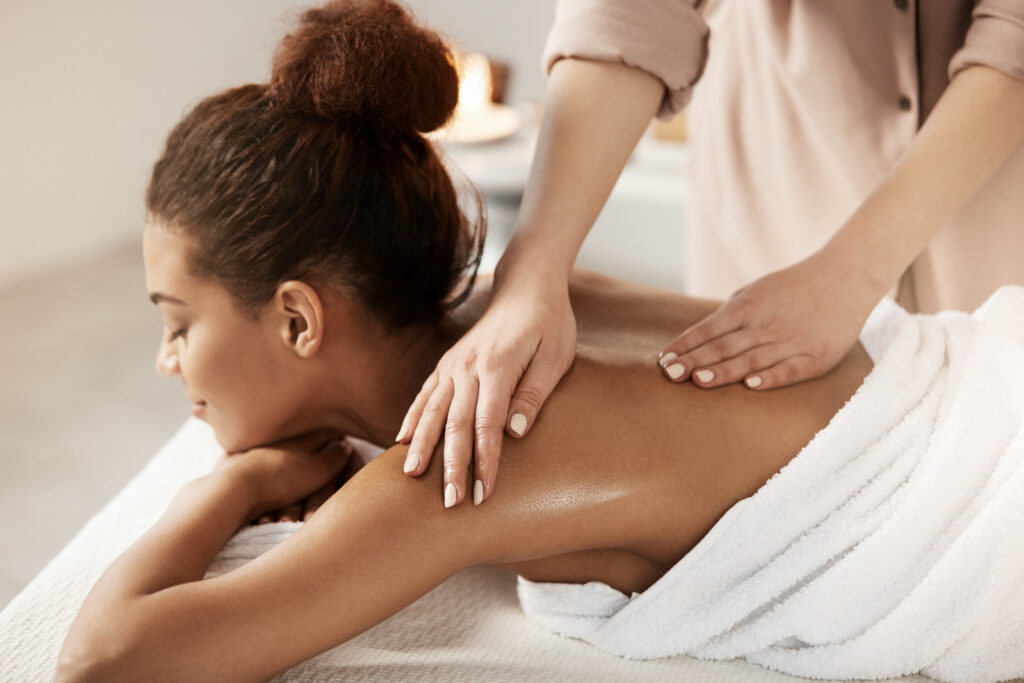
- Mechanical breakthrough: The massage therapist’s hands act as an external pump. They physically push stagnant blood and lymph through the vessels. Imagine a kink in a garden hose: the water doesn’t flow, and the pressure builds up. Massage removes this ‘kink’, restoring normal fluid flow.
- Resetting the nervous system: Our skin and muscles contain millions of receptors – tiny pressure sensors. When stimulated correctly, they send a signal to the brain: ‘There is no danger, you can relax.’ In response, the nervous system switches from alert mode to recovery mode.
- Chemical reaction: Under pressure, active substances such as histamine are released into the tissues. This is a natural ‘vasodilator’. It causes the capillaries to open up even in places where the masseur’s hands cannot reach directly.
- Common mistake: Thinking that the more pain there is, the better the result. This is a myth. Excessive pain causes the muscles to contract even more tightly for protection, and the body releases cortisol (the stress hormone). The true therapeutic effect occurs at the threshold of ‘pleasant pain’, when the tissues do not resist but yield to the therapist’s touch.
Effect on blood circulation
Blood delivers oxygen and nutrients to every cell. When a muscle is constantly tense, it constricts the capillaries – the tiniest blood vessels. The tissues begin to ‘suffocate’ in their own metabolic waste products.
- The actual effect of the procedure: Massage ‘awakens’ dormant capillaries. Specialised studies (vascular ultrasound) confirm that following a high-quality session, blood flow velocity in the tissues increases several-fold. This relieves the strain on the heart, as the peripheral vessels cease to resist the flow of blood.
- Practical conclusion: If your legs swell by the evening or you experience a feeling of fullness, this is venous blood stasis. Massage effectively replaces the work of the muscles that are supposed to ‘pump’ blood upwards but fail to do so during sedentary work. This is not merely a matter of comfort, but a means of preventing varicose veins and the deterioration of blood vessel walls.
Effect on muscle tone
A healthy muscle should be soft at rest and firm under load. However, for most people, muscles remain ‘semi-rigid’ at all times. This condition is called hypertonicity.
- What actually happens: Over time, ‘adhesions’ form within the fascia (the muscle sheaths) of overworked muscles. The tissues literally fuse together, restricting your movements. You cannot easily turn your head or bend over, not because of weakness, but because your muscles have become ‘shortened’ and stiff.
- How massage helps: Deep kneading breaks down these micro-adhesions and ‘deactivates’ trigger points – areas of maximum tension.
- Result: The muscle regains its natural length and elasticity.
- Expert tip: If you feel very stiff, it is pointless to try to ‘stretch’ yourself by force during yoga or at the gym. You first need to soften the tissues with massage; otherwise, the stiff fibres may simply tear.
Massage and recovery after exercise
Many people still believe that massage ‘flushes out lactic acid’. This is not true: it is broken down naturally within an hour of training. The real problem after exercise is micro-oedema and inflammatory processes.
Micro-injuries to the fibres cause a build-up of fluid, which puts pressure on the nerves. This is precisely what we feel as ‘soreness’. Massage accelerates the drainage of this fluid, reduces inflammation and allows the muscles to return to working condition more quickly.
- When to do it: A light massage immediately after exercise speeds up recovery by 30–40%.
- How to save money: In between visits to a professional, use a tennis ball or a foam roller. This is a great way to ‘roll out’ knots yourself and prevent muscles from tightening up.
Psychosomatic bonus
Massage has a proven biochemical effect: cortisol (stress) levels drop by a third, whilst serotonin and dopamine (‘happiness hormones’) levels rise. This is the best way to combat insomnia and emotional burnout. When the body sends the signal ‘I’m relaxed’, the brain automatically stops generating anxious thoughts.
When massage can be harmful
Massage places active strain on the blood vessels, so it is important to be aware of the limitations.
Massage must never be performed in cases of:
- Thrombosis: Mechanical pressure can dislodge a blood clot, which is life-threatening.
- Inflammation and fever: Increased blood flow will spread the infection throughout the body.
- Acute pain (shooting pains): You must first have the inflammation treated by a doctor; otherwise, massage will only increase swelling in the area where the nerve is pinched.
Important: Always inform the therapist of any varicose veins or blood pressure issues. In these cases, only gentle, stroking techniques without deep pressure are permitted.
Massage is not a luxury, but a routine maintenance check for your body. It restores circulation where it has stalled and restores the body’s freedom of movement.
Remember: a single session once a year will not reverse the effects of a sedentary lifestyle. Good health requires a systematic approach – it is better to have massage less frequently but in courses, and not to forget simple stretching exercises during the working day.
FAQ: Answers to frequently asked questions
Should there be bruises after a massage?
No. A bruise is damage to blood vessels. The aim of massage is to restore blood vessels, not to damage them. Bruises are only acceptable with aggressive anti-cellulite techniques, but in therapeutic massage, they are a sign of excessive and unjustified force.
Why do I feel sleepy or dizzy after a massage?
Drowsiness is a sign that the nervous system has finally relaxed. Dizziness may occur due to a sudden rush of blood to the head or the release of metabolic waste products accumulated in the muscles. The solution is simple: after the session, drink a glass of clean water and sit quietly for 10 minutes.
Can you lose weight with massage?
Fat isn’t directly broken down by hand. But massage is excellent at reducing swelling (excess water retention) and boosting your metabolism. This makes your workouts and diet far more effective.
How many sessions does it take to feel the results?
You’ll feel relief after just the first session. But for a lasting change in muscle condition, a course of 8–10 sessions is required.
Can you give yourself a massage?
Massaging your neck, palms or feet throughout the day is an excellent habit. It helps relieve momentary tension and prevents your muscles from ‘stiffening up’ by the end of the working day.
About The Author